Columbia’s skies don’t ask permission. Summer storms crack across the Midlands with sideways rain and pea to quarter-inch hail, followed by sun that turns glass and trim into a slow-cooking skillet. Winter doesn’t bite hard, but it nips just enough to push stressed glass over the edge. If you drive here, you’ve seen it: spidering chips after a surprise gravel burst on I-26, a rear windshield imploding after an overnight temperature swing, a side window etched by windblown grit from a construction zone. Weather is the constant antagonist, and auto glass is the frontline.
I’ve spent years around glass bays and on the shoulder of Broad River Road changing windshields in unpredictable weather. The job is part science, part choreography. You learn how Columbia’s climate changes the rules, why one chip survives for months and another blooms into a full crack after lunch, and how a sloppy installation can turn a minor weather event into a safety hazard. Let’s talk through practical, proven ways to keep your visibility clear and your cabin dry, and when it’s time to call for auto glass repair Columbia drivers trust.
What weather really does to auto glass in Columbia
Heat is the bully. Glass expands as temperatures climb, and modern windshields are laminated, two layers of glass bonded to a plastic interlayer. That sandwich is strong, but it behaves differently at 98 degrees than at 68. A small impact point that looked harmless at 7 a.m. can lengthen by an inch or more after the car bakes in a grocery lot. I’ve measured crack growth in real time as a hood thermometer climbed from 120 to 145 degrees on an August afternoon.
Humidity adds a second act. Once moisture creeps into a chip or along a crack, it tints the adhesive bond line and can corrode the area around the impact. That’s not just cosmetic. Moisture contamination makes windshield chip repair Columbia technicians do less predictable, raising the odds the resin won’t cure crystal clear.
Then there’s hail. We don’t get the Plains’ baseball-size stones often, but pea and marble hail happen. A single stone can bruise the glass without a visible crater, leaving a compression ring that later becomes your “mystery crack.” Rear glass suffers more than you’d expect because it’s tempered, not laminated. A compromised temp glass panel is like a loaded spring. One door slam or a cool evening, and it shatters into granules. That’s why rear windshield replacement Columbia shops perform spikes after spring storms.
Finally, pollen and dust. It sounds benign, but abrasive grit trapped under wiper blades turns into sandpaper. A dozen dry wipes can scratch hydrophobic coatings and etch arcs into the driver’s sweep zone. In summer, those micro-abrasions scatter glare. You notice it on the 277 interchange at sunset, when oncoming light blooms across the glass, and you end up squinting through haze.
Repair or replace: the real thresholds
You can save a windshield many times if you act early. The general rule: if the damage is smaller than a quarter, not in the driver’s direct sight line, and not at the very edge, windshield chip repair Columbia services can usually stabilize it. Quality resin fills the micro-fractures and restores structural integrity to a surprising degree. I’ve seen chips take a resin cure, survive two more summers, and only get replaced when a second impact finally landed six inches away.
Edge cracks are a different animal. The adhesive bond along the perimeter carries a lot of load. If a crack touches within an inch or so of that edge, replacement is the safer choice. Also, on modern vehicles with cameras behind the glass, anything in the driver’s camera footprint complicates things. That area has to be optically clean for ADAS features to function, and even a perfect repair can leave a faint shadow. In those vehicles, windshield replacement Columbia customers request tends to happen sooner, especially when adaptive cruise or lane-keeping gets fussy.
Side windows virtually always get replaced. They’re tempered, they don’t repair, and the safety margin is binary. Either they’re intact, or they’re not. With rear glass, if you can see a line or white stress mark traveling through the tint or defroster grid, plan for rear windshield replacement Columbia technicians can complete the same day.
Timing matters more in Columbia’s climate
Speed isn’t a gimmick here. It’s physics and weather. same day auto glass Columbia teams aren’t same day auto glass Columbia SC just hustling for convenience. They’re trying to get ahead of heat and moisture that would otherwise turn a simple repair into a replacement.
Here’s the common scenario. A small star chip appears on Monday morning. You figure you’ll deal with it over the weekend. By Thursday, we hit 96 degrees, you park at Riverbanks Zoo for an hour, and the star extends a hairline crack two inches. A pop thunderstorm rolls through that evening, shoving moisture into the fracture. By Saturday, the crack has migrated into your wiper arc. That shifts you from a $120 to $180 repair into a $400 to $700 replacement, plus the cost and time of windshield calibration Columbia vehicles require after a new windshield.
If you’re juggling work and kids and can’t make a shop appointment, mobile auto glass repair Columbia crews come to your driveway or office. For chips, repairs take thirty minutes. For replacements, count on an hour to ninety minutes, then adherence to safe drive-away times. Urethane adhesives cure with heat and humidity, but they still need a window to reach initial strength. A good installer will check conditions and advise a safe timeline.
The hidden step that matters: calibration
Any car with a forward-facing camera behind the rearview mirror needs calibration after windshield replacement. That includes a long list of models from Honda, Toyota, GM, Ford, Subaru, and more. The camera reads lane lines, vehicle distances, and road edges. Move it even a few millimeters by installing a new windshield, and the software must relearn its relationship to the world. That process can be static, with targets in a controlled bay, or dynamic, where a technician drives the car at specific speeds on specific road types while the system calibrates.
I’ve watched owners skip this, then complain about ping-pong lane-keeping or random emergency braking. It’s not a minor detail. If your car uses ADAS, ask up front whether the shop provides windshield calibration Columbia drivers can rely on, and whether they do it in-house or subcontract it. Either way can be fine, but you want clear documentation that calibration passed. Some insurers require it before they close the claim.
Insurance: when to use it, when to pay cash
insurance auto glass repair Columbia claims are usually straightforward. Many carriers waive deductibles for chip repairs, because repair prevents bigger costs later. For full replacements, your comprehensive deductible applies. If your deductible is $500 and your windshield is $450 installed, paying cash often makes sense. If your car needs an OEM windshield that costs $900 to $1,500, insurance becomes logical.
There’s one wrinkle: ADAS calibration. If your policy covers glass, it typically covers calibration as part of the claim, and you should make sure the shop ties calibration to the same work order. If they don’t, you risk paying out-of-pocket for the calibration after the fact, or worse, driving around with features disabled.
I’ve also seen owners hesitate to file a claim over fear of rate hikes. For comprehensive, single glass claims rarely move the needle. Ask your agent for specifics. In most cases, preventing further damage and liability beats the marginal risk.
What separates the best auto glass shop in Columbia from the rest
Anyone can yank a windshield. The difference shows up two months later in a downpour on Two Notch Road. If you see a wavy bead at the interior A-pillar, smell persistent urethane solvent, or hear wind whistle at 45 mph, the installer cut corners, rushed the bonding, or didn’t prep the pinchweld correctly.
The best shops prep like surgeons. They glove up, trim old urethane to the manufacturer-specified height, prime bare metal so rust doesn’t start under the glass, and dry-fit new glass to confirm clip alignment. They match glass types, including acoustic interlayers and rain sensor contours, and they transfer VIN tags and inspection stickers cleanly. When a vehicle requires a specific urethane with higher modulus or faster cure, they use it and state the safe drive-away time clearly, not the optimistic version.
For mobile installs, watch how they manage dust. A good mobile auto glass repair Columbia tech will use clean, dedicated blankets, control doors to cut crosswind, and keep the bonding surfaces clear of pollen and grit. Lazy mobile work shows in smeared fingerprints under the glass and adhesive squeeze-out on the dash. You deserve better than that.
Rear and side glass after storms
Rear glass tends to fail after the storm, not during. The hail impact bruises it, but the thermal drop at night is the trigger. You walk out in the morning to a carpet of safety glass cubes that somehow find their way into every seat track. Side glass breaks in place, but the frame can bend with the door. An experienced tech checks the regulator, vacuum guides, and weatherstrip. Miss those, and your brand-new glass rattles or drags.
Rear windshield replacement Columbia services often include defroster grid transfer or re-connection. If you drive a hatchback or SUV, the wiper motor grommet needs resealing at the same time. That grommet is a common leak path. In heavy summer rain, a tiny gap funnels water into the cargo headliner. You notice it as a musty smell a week later. Call the shop back if you see a drip line at the liftgate.
Field notes from Columbia streets
Two quick examples:
- A contractor from Irmo called after a Friday microburst on Lake Murray. A branch bounced off his hood and put a bull’s-eye chip at the lower passenger corner. By Monday noon, the crack had arced almost eight inches. We repaired chips next to it, but that big one forced replacement. The deciding factor wasn’t length alone, it was how close it ran to the edge, right where the urethane does the heavy lifting during a collision. Risk didn’t justify a patch. A nurse near Forest Acres had a barely visible chip, then parked at a hospital garage during a sweltering day. She emerged to a crack that traced exactly along her visor shade line, where temperature gradient is sharpest. A quick mobile repair might have saved it on day one. By day three, the resin didn’t have clean, dry channels, and moisture halos showed around the impact. We replaced the glass and calibrated her Subaru’s EyeSight system, then proved it with a short dynamic drive.
Both cases share a pattern: Columbia heat magnified minor damage fast. The faster you act, the less you pay and the safer you stay.
Materials and glass choices that hold up here
You’ll hear terms like OEM, OE-equivalent, and aftermarket. The label matters less than the fit, optical clarity, and sensor compatibility. Some vehicles are picky. Honda and Subaru, for example, often behave best with OEM glass because their camera brackets and frit patterns are exact. On others, a high-quality OE-equivalent is indistinguishable in daily use and costs less. A seasoned shop will explain trade-offs instead of pushing you one direction.
For adhesives, high-modulus, non-conductive urethanes prevent corrosion and ensure the glass contributes to roof-crush strength. Cure time depends on brand and weather. On a 90-degree, high-humidity day in Columbia, initial safe drive-away may be around 30 to 60 minutes with fast-cure products. On a cooler, drier day, that might extend to 90 minutes or more. I’ve turned down customers eager to leave early. The windshield is a structural member. If airbags fire and push off a poorly bonded windshield, the result can be catastrophic.
If your car has acoustic glass, keep it acoustic. You’ll hear the difference otherwise. On the highway, non-acoustic replacements can add a low hum that wears on you during a drive to Charleston. If your vehicle has a heads-up display or heated wiper park, those features require specific glass types. A good estimator checks your VIN and options and quotes accordingly.
Quick care moves that reduce weather damage
A few habits go a long way in Columbia. These aren’t magic shields, but they stack the odds in your favor.
- Rinse pollen and dust before using wipers, especially after long parking. Dry-wiping creates micro scratches that never heal. Keep a clear, UV-safe windshield shade in the car. Shading the dash reduces interior temperature spikes and the heat gradient that pushes cracks along. Park nose-out when possible during hail forecasts. Your rear glass is more vulnerable and more expensive in terms of collateral cleanup. If you can shelter even partially under trees or building overhangs, do it, but weigh the branch risk. Fix chips within a week, faster in summer. Moisture and dust contamination set in quickly here. Replace tired wiper blades at least twice a year. Grit-loaded, hardened blades act like sanders. After spring pollen season, swap them.
That’s one list. It’s short because the point is to build habits, not memorize a manual.
What to expect from same-day service
When you call for same day auto glass Columbia service, have your VIN ready. It speeds up glass selection and sensor compatibility checks. A solid shop will ask about rain sensors, lane cameras, heated options, tint at the top edge, and whether you need mobile or in-shop work. For in-shop on sweltering days, I like bays because we control temperature, dust, and lighting. For mobile jobs, we look for a flat surface and enough cover to keep pollen off bonding surfaces. A carport beats an open driveway in June.
During a windshield replacement, expect the cowl to come off, wipers to be marked and reset, trim to be transferred, and adhesive to be cut to a uniform height. If a tech hacks at the pinchweld or exposes bare metal without priming, stop the job and ask about their corrosion protocol. That rust will not announce itself until your next rainy season, and by then, you’ll have a leak and a problem no one wants to own.
Calibration adds time. Static calibration might require a level floor, target boards, and a laser setup. Dynamic calibration needs road time at 25 to 45 mph with clear lane lines. Plan for an extra hour to two depending on your model. Insist on a printout or digital confirmation that systems passed.
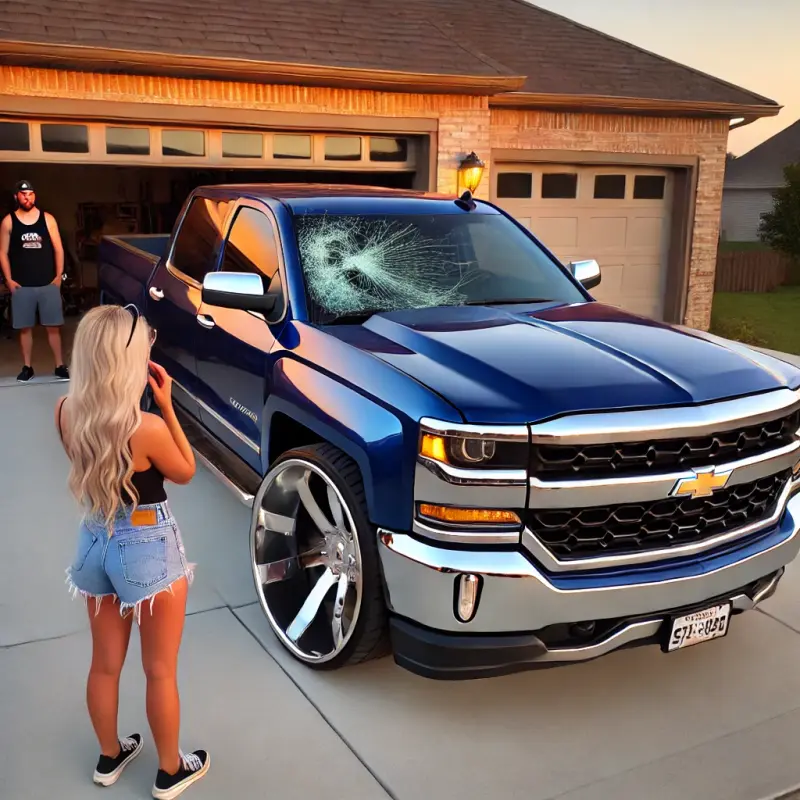
When weather wins: dealing with water leaks and wind noise
Even with a perfect install, cars age. Door seals compress, sun shrinks plastic retainers, and that’s when high-pressure summer rain sneaks in. The first sign is often fogging on the inside of the glass in the mornings despite warm temperatures. Feel around the A-pillars and floor mats after storms. A water trail at the dash corners points to a clogged sunroof drain, not necessarily windshield failure. Good shops test with a smoke pen or water hose and track the path before throwing sealant at it.
Wind noise is trickier. It’s maddening because it appears at certain speeds and crosswinds. A missing clip, a misaligned reveal molding, or an uneven urethane bead can create a flute. I’ve shimmed a trim edge two millimeters and silenced a whistle at 60 mph. The fix requires patience, not caulk. If your noise started immediately after a windshield job, return to the installer. If it started months later, Columbia’s heat might have shrunk a molding. Either way, it’s solvable.
The mobile versus shop trade-off
Mobile service saves time and keeps a cracked car off the road. For repairable chips and standard replacements on a dry day, mobile works great. For vehicles with complex calibrations, heavy trim, or known leak history, I prefer the shop. We control light for detecting fine damage, temperature for adhesive performance, and floor level for static calibration. If a shop only offers mobile, ask how they handle calibration and inclement weather. A rain fly isn’t enough in a gusty storm with pollen flying. A credible mobile team will reschedule rather than risk contamination.
Getting from damage to done without drama
The path is simple when you know the steps. Call, share the details, decide repair versus replacement, confirm calibration needs, and choose mobile or shop. If insurance is involved, open the claim while you’re on the phone with the shop so glass type, price, and calibration are aligned. On the day of service, clear the dash and front seats, park in a stable location, and plan for safe drive-away time. Afterward, avoid slamming doors for 24 hours, leave a window cracked slightly to vent pressure, and skip high-pressure car washes for two days. The urethane bonds better if you don’t force air blasts or water jets at the edges right away.
Why skilled glass work is a safety system, not a cosmetic fix
Modern windshields are structural. They support the roof in a rollover and give airbags a surface to push against. A sloppy bond compromises that. Tempered side and rear glass are safety devices too, designed to crumble into small pieces in a crash rather than shards. When weather damage happens, your goal isn’t just to stop an eyesore, it’s to restore your car’s safety envelope to factory intent.
That’s why cutting corners is false economy. You want the right glass, the right adhesive, clean prep, and calibration done right. Choose the shop that treats the job like safety work with cosmetic benefits, not the other way around.
Final passes from the field
Columbia’s weather magnifies small problems and punishes delay. Pollen clogs drains, heat drives cracks, humidity clouds repairs, and sudden rain tests every seal. The good news is, the solutions are straightforward with a little urgency and the right hands. Whether you need quick windshield chip repair Columbia drivers can get on a lunch break, a full windshield replacement Columbia vehicles with ADAS require, or rear glass that gave up after a cold snap, the city has pros who can handle it the same day.
Ask clear questions. Expect clean work. Demand calibration when your car needs it. Use insurance when numbers make sense, pay cash when they don’t. And the next time an afternoon storm hammers your commute, you’ll have a windshield that shrugs off the weather, a cabin that stays quiet and dry, and a car that sees the lane markers the way it’s supposed to.
If you’re unsure whether damage is repairable or fatal, snap a photo with a coin for scale and call a reputable shop. The best auto glass shop in Columbia will talk you through options without selling you what you don’t need, then show up prepared with the right glass, the right adhesive, and the calibration gear to finish the job in one visit. That’s how you turn weather from a constant adversary into just another forecast.